Discover the Function of Metal Shops in Modern Manufacturing Processes
Metal factories are essential to the manufacturing landscape, converting basic materials into essential components for numerous markets. Their sophisticated strategies, consisting of 3D printing and CAD, make it possible for the development of complicated components with minimal waste. In enhancement, shops are significantly embracing sustainable practices to improve their environmental footprint. Recognizing the complete range of these operations exposes their significant impact on sectors such as auto and aerospace, triggering a more detailed evaluation of their progressing role in modern-day production.
The Essential Functions of Metal Shops
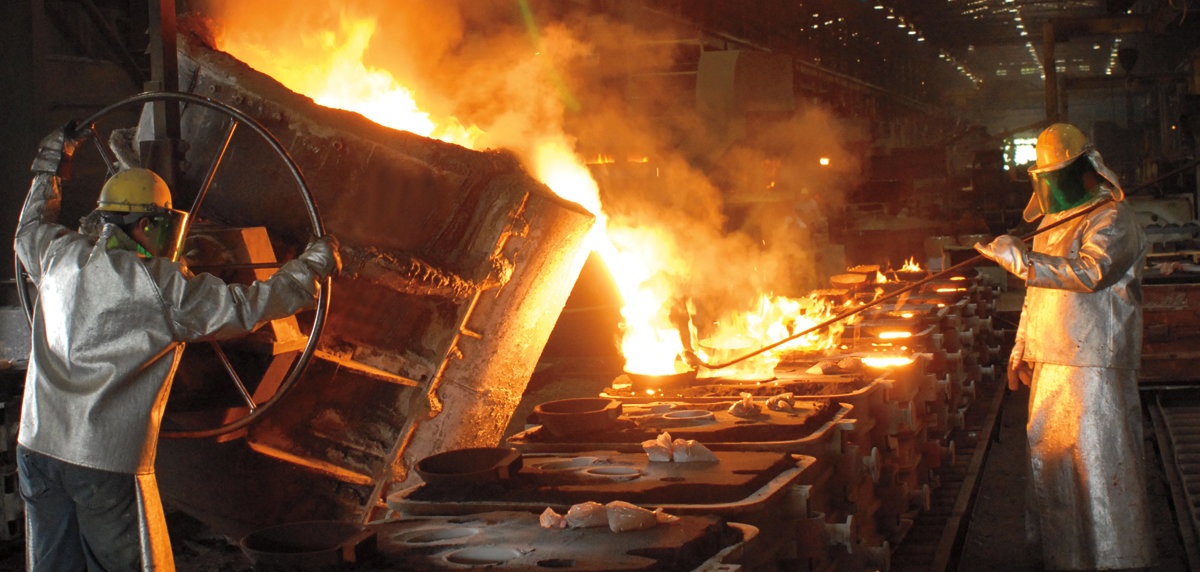
Metal shops play a necessary role in the production field by transforming resources into functional metal items via numerous processes (Aluminum Foundry). These facilities are necessary for producing parts used in many markets, including auto, aerospace, and construction. Foundries primarily focus on melting metal alloys and putting them right into mold and mildews to produce particular shapes, a process understood as spreading

Shops provide customized services, such as heat treatment, which boosts the mechanical buildings of metal products. By helping with these important features, metal foundries contribute substantially to the total performance and advancement within the production landscape, making it possible for the manufacturing of a large variety of steel products.
Advanced Technologies in Metal Casting
As the production sector develops, advanced modern technologies in metal spreading are improving the landscape of manufacturing. Technologies such as 3D printing and computer-aided design (CAD) have significantly boosted the efficiency and precision of casting procedures. These technologies make it possible for foundries to create complicated geometries that were formerly tough or impossible to accomplish, consequently lowering product waste and improving total quality.
In addition, automation and robotics have structured operations, reducing hands-on labor while raising production speed. Integrating advanced simulation software program enables factories to optimize casting designs and forecast prospective problems prior to manufacturing, better enhancing dependability.
The introduction of smart manufacturing systems, integrating the Internet of Things (IoT), promotes real-time surveillance of processes, making certain better control over manufacturing criteria. These technical innovations not just drive cost-effectiveness yet additionally setting steel factories at the forefront of modern production, allowing them to satisfy the advancing needs of numerous markets.
Sustainability Practices in Foundries
While the manufacturing market deals with increasing pressure to embrace environmentally liable practices, foundries are proactively applying sustainability measures to reduce their eco-friendly impact. Many foundries have actually embraced recycling efforts, utilizing scrap steel and various other materials to reduce waste and preserve sources. Advanced technologies, such as energy-efficient heaters and automated processes, further boost their dedication to sustainability.
Shops are likewise concentrating on enhancing and minimizing emissions air top quality by embracing cleaner production methods. Using eco-friendly binders and layers has actually acquired grip, lowering harmful byproducts in the spreading process. Furthermore, water preservation procedures are being executed, with closed-loop systems minimizing freshwater consumption and wastewater discharge.
The Impact of Foundries on Different Industries
Although usually forgotten, foundries play a crucial role in providing essential components throughout a varied variety of markets. These centers are essential in generating steel spreadings made use of in automotive, equipment, building, and aerospace fields. In the auto market, shops provide engine blocks, transmission situations, and various other vital parts, ensuring vehicles run efficiently. Aerospace counts greatly on precision-cast parts that fulfill rigid safety standards, while building and construction firms depend upon long lasting and strong metal items for facilities projects.
Foundries contribute to the energy industry by making elements for power generation equipment, including generators and generators. Their flexibility includes durable goods, where cast metal parts enhance product performance and toughness. By supporting various markets, foundries not just boost producing capacities but additionally drive advancement and technical advancements, emphasizing their considerable effect on the worldwide economy.
Future Trends in Steel Factory Workflow
Arising technologies and evolving market needs are shaping the future landscape of steel shop procedures. Automation and robotics are progressively being incorporated to improve effectiveness and lower labor expenses. Smart shops are leveraging data analytics and the Net of Things (IoT) to monitor production procedures in real-time, facilitating anticipating upkeep and minimizing downtime.
Sustainability is likewise ending up being a focal point, with shops embracing greener methods by minimizing and reusing materials energy intake. Advanced materials, such as lightweight alloys and compounds, are gaining traction, driven by markets such as aerospace and automotive seeking boosted performance.
Additionally, additive production is becoming a corresponding technology, enabling the manufacturing of complex geometries that conventional approaches can not attain. As digitalization proceeds, steel factories are anticipated to adopt even more adaptable production systems, permitting for personalized, on-demand manufacturing remedies. These patterns indicate a transformative shift, positioning metal shops for a vibrant future in production.
Often Asked Questions
What Products Are Generally Made Use Of in Steel Foundries?
Metal foundries frequently make use of materials such as iron, light weight aluminum, bronze, brass, and various alloys. These materials are chosen for their unique residential or commercial properties, allowing the manufacturing of diverse parts check my blog tailored for specific applications in numerous markets.
How Do Foundries Make Certain High Quality Control in Manufacturing?
Factories carry out stringent quality control measures, including product assessments, process tracking, and screening of ended up items. They make use of sophisticated technologies and standards to assure integrity, uniformity, and adherence to requirements throughout the manufacturing process.
What Safety And Security Steps Are Applied in Steel Foundries?
Metal factories address carry out safety and security procedures such as personal safety devices, ventilation systems, routine safety training, and emergency protocols. These methods aim to minimize risks associated with high temperature levels, poisonous fumes, and hefty equipment procedures.
Exactly how Lengthy Does the Steel Casting Process Generally Take?
The metal casting process typically takes several hours to days, relying on variables such as the intricacy of the layout, kind of steel utilized, and cooling times required for the certain spreading approach used.
What Are the Occupation Opportunities in Steel Foundries?
Job chances in steel foundries include roles such as factory technicians, metallurgists, quality control examiners, maker drivers, and production managers - Aluminum Foundry. These placements provide varied paths in production, design, and experienced professions within the industry
Steel shops are integral to the production landscape, converting raw materials into crucial components for various sectors. Metal foundries play an essential function in the manufacturing sector by transforming raw products into usable steel items with numerous procedures. In enhancement to spreading, steel factories additionally engage in procedures such as machining, where Homepage excess material is eliminated to accomplish specific specifications. As digitalization proceeds, metal factories are expected to take on more flexible manufacturing systems, permitting for personalized, on-demand production options. Occupation chances in metal factories consist of duties such as factory specialists, metallurgists, top quality control assessors, maker drivers, and production supervisors.